
The gentle glow of a handwoven bamboo lamp. The earthy elegance of a rattan vase holding fresh flowers. These aren’t just decorative pieces—they’re living connections to centuries of northern Thai artistry that began in the ancient Lanna Kingdom.
The Lanna Kingdom: Where Art Met Daily Life
From the 13th to the 18th century, the Lanna Kingdom flourished in what is now northern Thailand, encompassing Chiang Mai, Chiang Rai, and surrounding provinces. Unlike kingdoms that reserved fine craftsmanship for royalty alone, Lanna culture celebrated artisanship as an integral part of everyday life. Every household item, from storage baskets to lighting fixtures, was crafted with both functionality and beauty in mind.
The word “Lanna” itself means “million rice fields,” reflecting the region’s agricultural abundance. This prosperity gave artisans the time and resources to perfect their techniques, developing distinctive styles that set Lanna crafts apart from other Thai traditions.
Bamboo and Rattan: The Foundation of Lanna Design
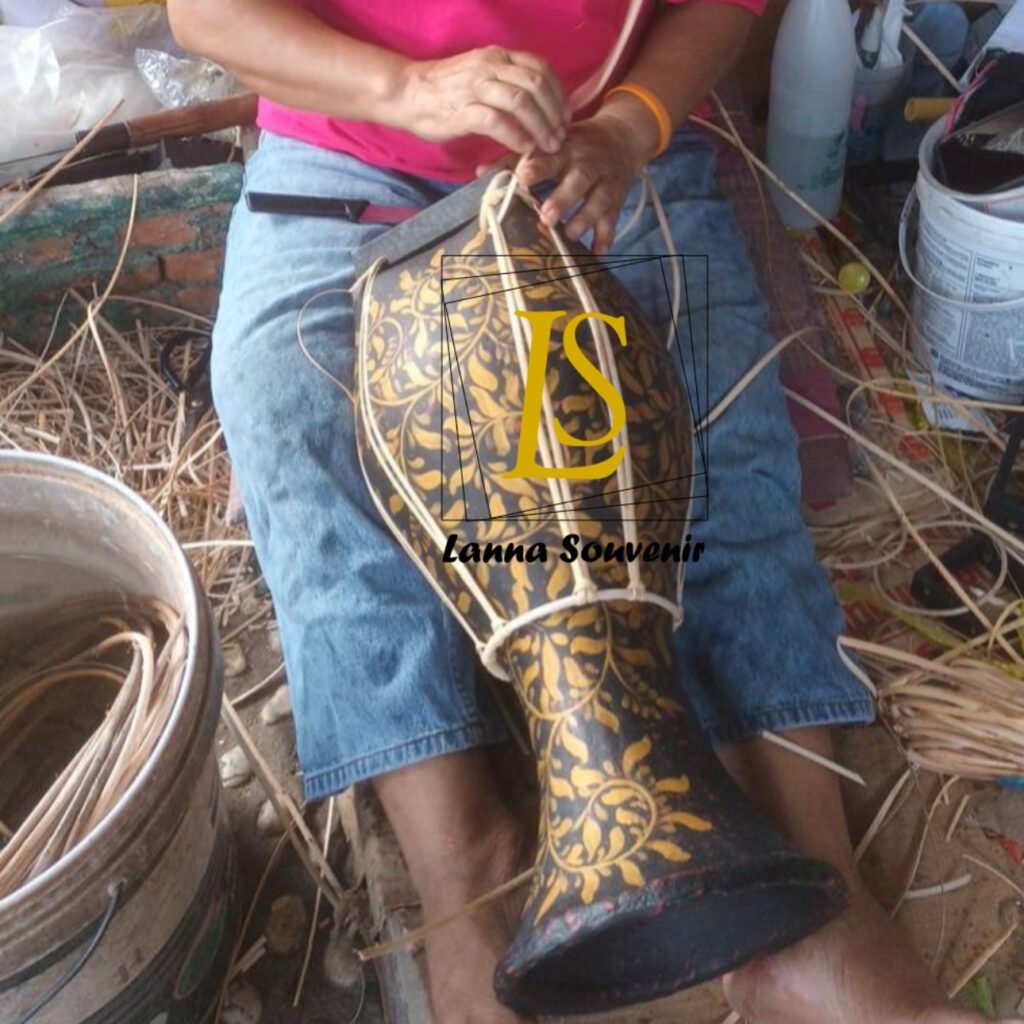
Northern Thailand’s lush forests provided Lanna craftspeople with their primary materials: bamboo and rattan. These weren’t random choices—both materials embodied the Lanna philosophy of working in harmony with nature.
Bamboo, fast-growing and incredibly versatile, became the backbone of Lanna construction and craft. Artisans discovered they could split bamboo into delicate strips for intricate weaving or use whole stalks for structural support. The material’s natural hollow structure made it perfect for creating traditional Lanna lamps that diffused candlelight beautifully, casting warm, patterned shadows across temple walls and family homes.
Rattan, the climbing palm harvested from forest vines, offered different possibilities. More flexible than bamboo when soaked, rattan could be woven into complex patterns and shaped into curves impossible with rigid bamboo. Lanna artisans used rattan to create everything from furniture to decorative vases that became prized possessions passed down through generations.
Traditional Techniques That Endure
The weaving patterns you see in authentic Lanna pieces today follow techniques refined over centuries:
Plaiting and Twining – The most common Lanna weaving method involves crossing bamboo or rattan strips in geometric patterns. Each region developed signature patterns; Chiang Mai artisans favored tighter, more intricate weaves while Chiang Rai pieces often featured bolder, more open designs.
Natural Dyeing – Before synthetic dyes, Lanna craftspeople created rich colors from forest plants, tree bark, and minerals. Indigo produced deep blues, turmeric yielded golden yellows, and various tree barks created earthy browns that complemented the natural materials.
Lacquerwork – To protect bamboo and rattan from moisture and insects, Lanna artisans developed sophisticated lacquering techniques using tree sap. This not only preserved the pieces but added a lustrous finish that enhanced their beauty.
From Temple to Home: The Evolution of Lanna Crafts
Originally, the finest Lanna bamboo and rattan work adorned Buddhist temples. Monks used woven bamboo panels as room dividers, while intricate rattan lanterns illuminated meditation halls. These temple pieces set the aesthetic standard that eventually influenced household items.
As trade routes expanded, Lanna craftsmanship gained recognition beyond northern Thailand. By the 19th century, Lanna pieces appeared in royal courts throughout Southeast Asia, prized for their delicate craftsmanship and understated elegance.
Lanna Craftsmanship in the Modern World
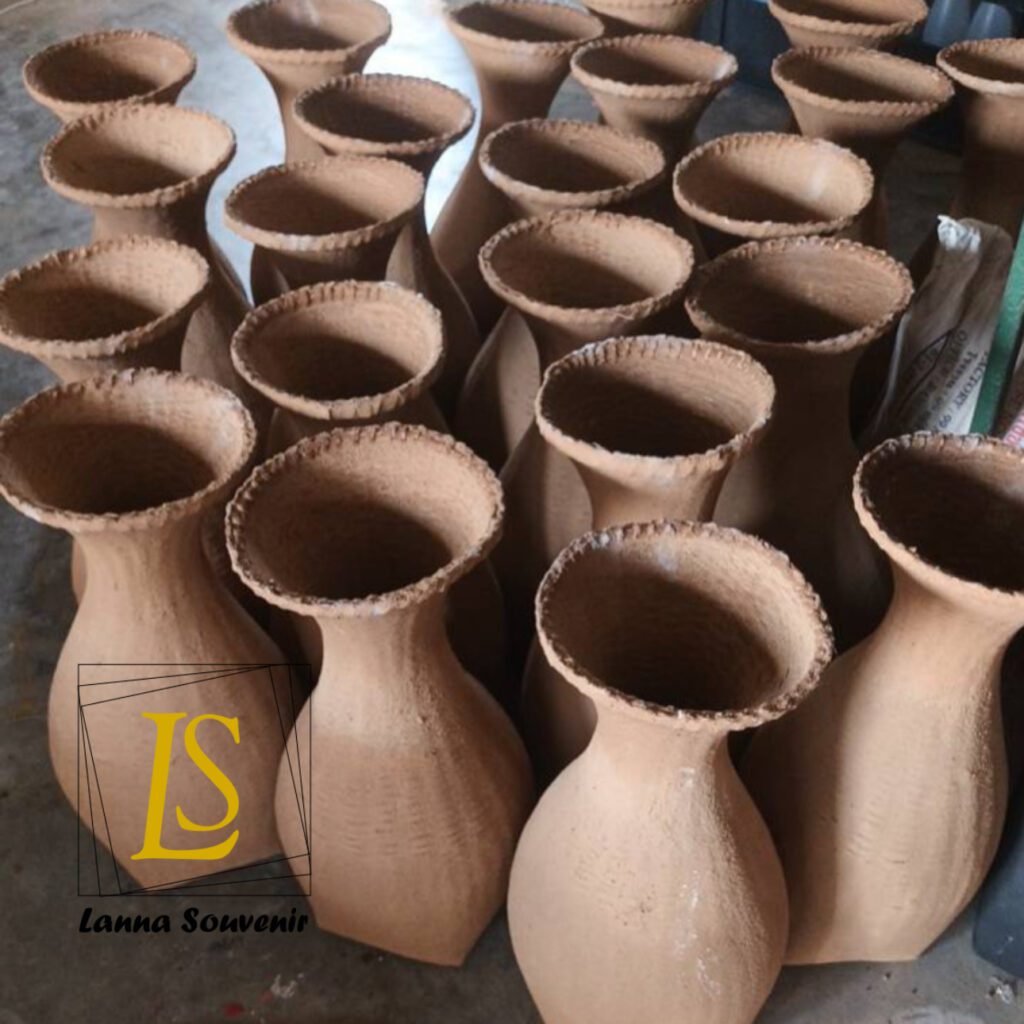
Today, authentic Lanna craftsmanship bridges ancient tradition and contemporary design. Modern artisans—many trained by master craftspeople whose skills trace back generations—adapt traditional techniques for 21st-century homes while preserving the essence of Lanna aesthetics.
A handwoven bamboo table lamp brings the same warm, diffused light that illuminated ancient Lanna homes, now fitted with modern electrical components for convenience. Traditional rattan vases that once held lotus offerings in temples now display contemporary floral arrangements in living rooms worldwide.
Why Choose Authentic Lanna Pieces?
When you bring a Lanna-crafted piece into your home, you’re choosing:
Sustainability – Bamboo and rattan are renewable resources that grow rapidly without depleting forests. Traditional harvesting methods ensure continuous regrowth.
Artisan Heritage – Each piece supports communities of craftspeople keeping centuries-old techniques alive, often in the same villages where their ancestors worked.
Timeless Design – Lanna aesthetics emphasize natural beauty and functional simplicity—principles that never go out of style. These pieces complement both traditional and contemporary interiors.
Unique Character – Unlike mass-produced items, handcrafted Lanna pieces carry subtle variations that make each one distinctive. The slight irregularities aren’t flaws—they’re signatures of human craftsmanship.
Bringing Lanna Heritage Home
The beauty of Lanna craftsmanship lies in its accessibility. You don’t need to transform your entire home into a Thai temple to appreciate these pieces. A single bamboo lamp on a bedside table or a rattan vase on a dining room sideboard can introduce the serene elegance of Lanna design into any space.
These pieces work particularly well in homes embracing natural materials, sustainable living, or mindful design. They pair beautifully with wooden furniture, linen textiles, and earth-toned color palettes—but they’re equally striking as textural contrasts in more minimalist or modern settings.
Preserving a Living Tradition
Every Lanna piece purchased helps ensure this remarkable craft tradition continues. As younger generations in northern Thailand face pressure to pursue modern careers, supporting Lanna artisans provides economic incentive for them to master and maintain these ancient skills.
When you choose authentic Lanna craftsmanship, you’re not just decorating your home—you’re becoming part of a story that began in ancient kingdoms and continues in the skilled hands of today’s artisans. From the forests of northern Thailand to your modern home, each bamboo lamp and rattan vase carries the spirit of Lanna: a celebration of natural beauty, patient craftsmanship, and timeless design.
Ready to bring Lanna heritage into your home? Explore our collection of authentic bamboo lamps and handwoven rattan vases crafted by northern Thai artisans using centuries-old techniques.